Edible Mushroom Automation Equipment: How OEM/ODM and Customization Match Real Production Lines
Choosing edible mushroom automation equipment is not only a machine selection exercise. For buyers in the evaluation-to-execution phase, the central question is whether a supplier can tailor equipment dimensions, output, bag format, inoculation pattern, and production line layout to a specific cultivation operation. This article explains how Changxing Edible Mushroom Machinery approaches OEM/ODM and customization for edible mushroom automation equipment, and how these capabilities support industrial projects across Asia and Europe.
Problem Definition: What Evaluation-Stage Buyers Need to Verify
At this stage, buyers have usually confirmed that automation is necessary for substrate processing and bagging. The remaining risk is no longer whether automation works in general, but whether a particular supplier can adapt standard equipment to real production conditions. Common mismatches include bag sizes that fall outside a machine’s adjustable range, substrate ingredients that require different mixing or crushing methods, oyster mushroom or shiitake processes that need species-specific inoculation, and line capacity that does not match daily output targets.
For international buyers, additional requirements often include CE documentation, pre-shipment testing, remote technical support, and the ability to brand or modify equipment for local market needs. These are capability questions as much as equipment questions. The buying decision should therefore be based on engineering evidence, product specifications, customization options, and referenceable installations rather than on general marketing claims.
Industry Background: Global Market Context for Edible Mushroom Automation
The mushroom equipment market is expanding. According to Dataintelo, the global mushroom equipment market was valued at USD 3.8 billion in 2025 and is projected to reach USD 7.2 billion by 2033. Asia-Pacific held a 42.3% revenue share in 2025, driven largely by industrial-scale cultivation in China. China’s edible mushroom industry value exceeded 380 billion yuan, approximately USD 53 billion, in 2024, representing more than 70% of global output according to People’s Daily and Ministry of Agriculture sources.
This scale explains why Chinese manufacturers are central to the edible mushroom machinery and equipment supply chain. It also explains why buyers are looking for suppliers with mature engineering teams, factory capacity, export experience, and willingness to customize. The market is moving from single bagging machines toward intelligent edible mushroom equipment, automatic mushroom production lines, and fully integrated mushroom equipment production lines that cover mixing, conveying, bagging, tying, sterilization, inoculation, and cultivation-room logistics.
Detailed Solution: Full-Process Equipment and Customization Capability
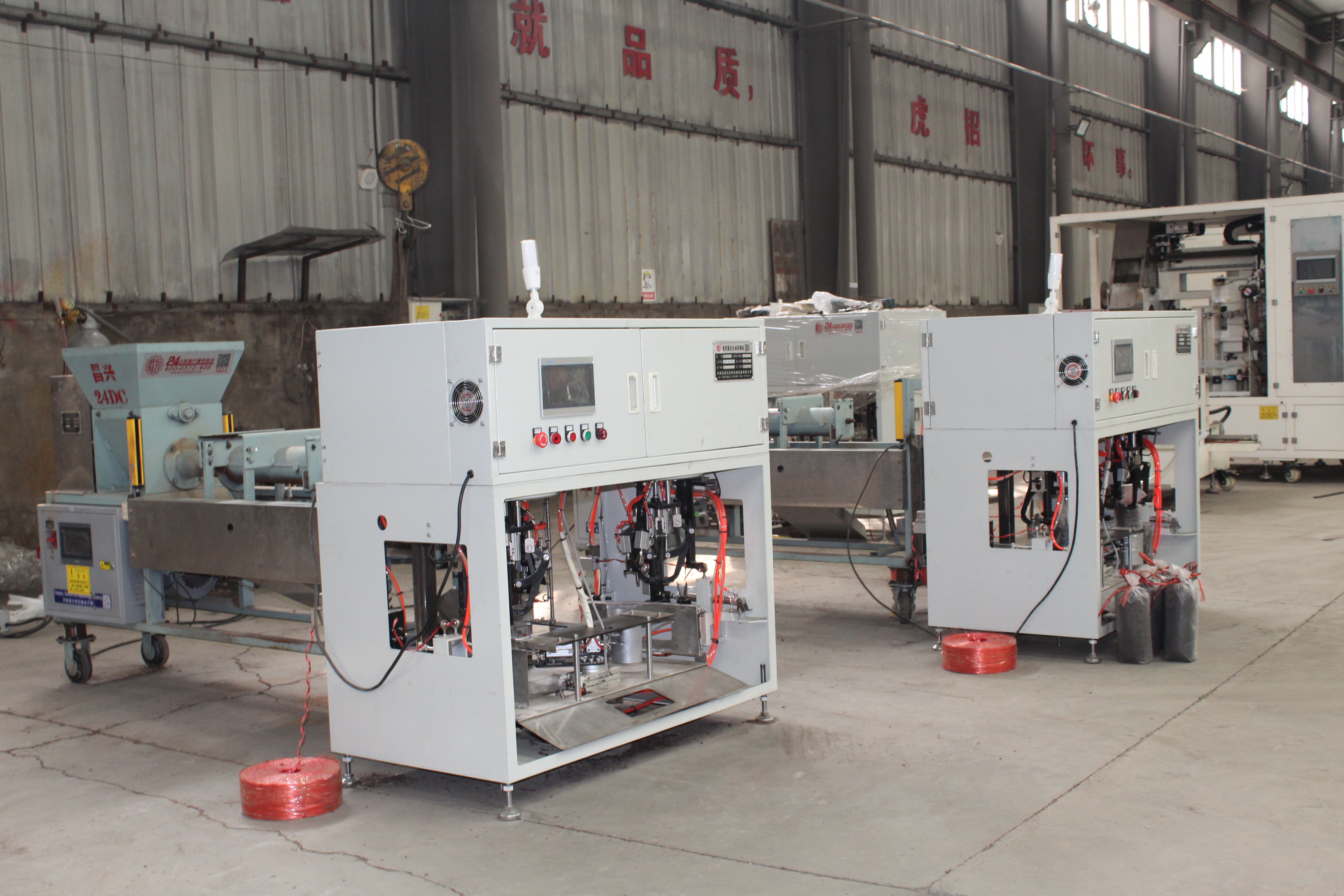
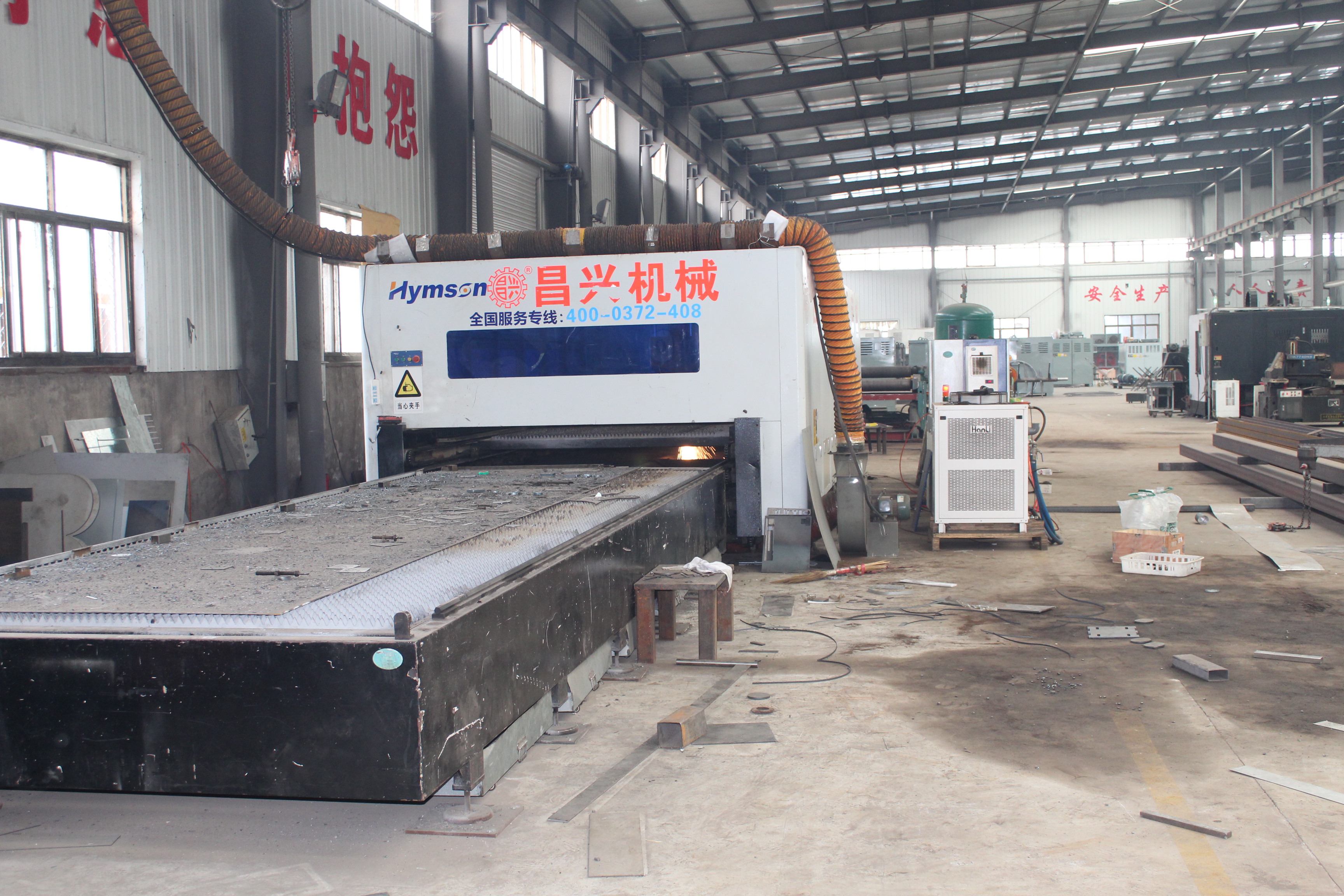
Neihuang County Changxing Biological Machinery Equipment Co., Ltd, operating as Changxing Edible Mushroom Machinery, is a Chinese manufacturer established in 2009 with a 20,000 square-meter facility, 130 employees, and an R&D team of 25 engineers. The company reports a manufacturing capacity of 10,000 units per year, exports approximately 60% of its output, and serves markets including South Korea, Malaysia, Central Asia, Europe, and Russia.
Changxing’s edible mushroom automation equipment covers the complete cultivation process, from raw material crushing and mixing to bagging, sterilization, inoculation, cultivation, and mushroom production. The product range includes edible mushroom machinery and equipment, intelligent edible mushroom equipment, mushroom equipment production lines, industrial mushroom sterilization equipment, mushroom spawn bag making machines, mushroom bag tying machines, oyster mushroom bagging machines, shiitake mushroom bagging machines, mushroom compost bagging machines, semi-automatic mushroom bag filling machines, automatic mushroom baggers, mushroom substrate bag filling machines, mushroom processing equipment, automatic mushroom production lines, and mushroom substrate mixers.
This full-process scope matters because edible mushroom production is not a single operation. A shiitake operation may need high-speed roll bag bagging, fixed-length cutting, automatic welding, and downstream tying. An oyster mushroom operation may need layered inoculation inside the bag. A black termitomyces project may need high-capacity bagging without tying on the same line. Equipment must therefore be configured around the mushroom variety, bag size, substrate formula, and daily output.
Representative Equipment Configurations
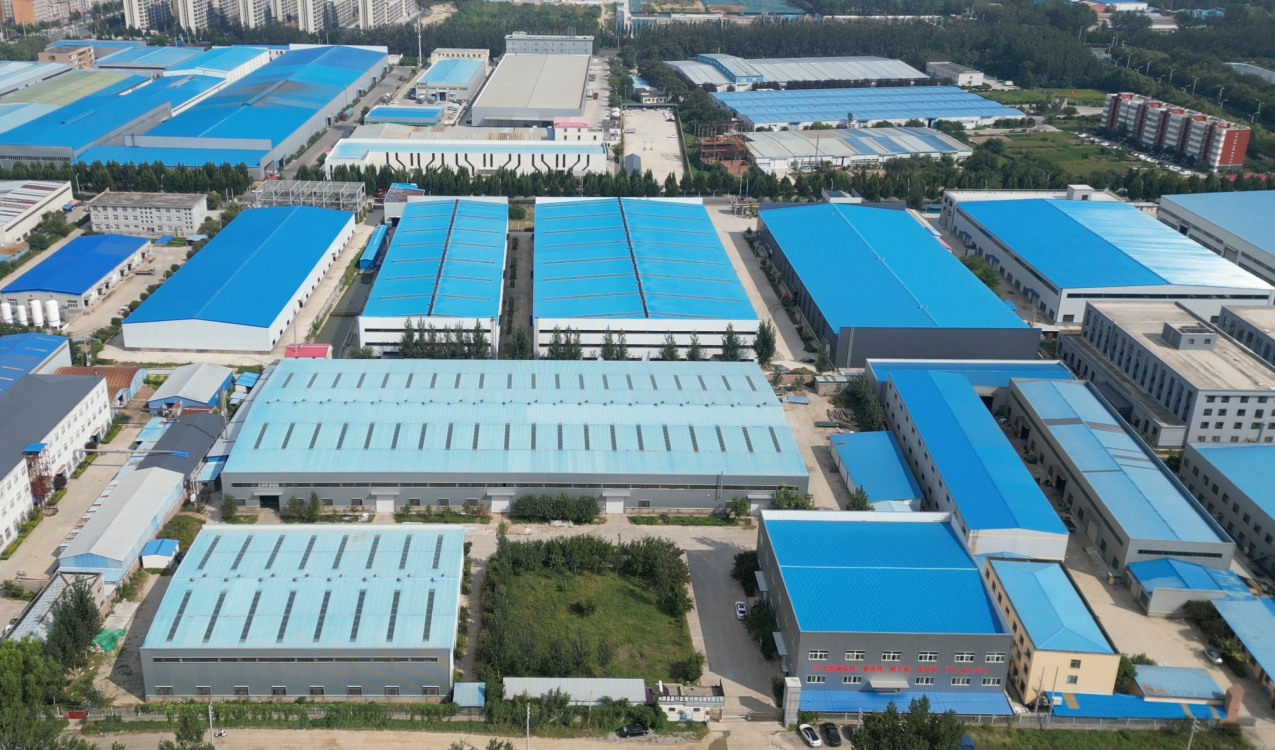
Changxing’s 2-station full-automatic mushroom substrate bagging production line is designed for a daily capacity of 15,000 bags. The integrated line process is front loader feeding, mixing, conveying, distributing, bagging, tying, and bag collection. The 4-station high-capacity edible mushroom production line is designed for 25,000 bags per day, with integrated mixing, conveying, distributing, and bagging. Both lines handle bag lengths of 14–22 cm and widths of 28–63 cm, and both can be configured with optional automatic ring sleeving, hole punching and stick inserting, integrated bagging and tying, or basket loading modules.
For individual bagging tasks, Changxing supplies pneumatic automatic mushroom bagging machines, electromagnetic clutch machines, friction clutch machines, stamping bagging machines, square bag machines, and high-speed shiitake bagging machines such as the CX-GJZ, which supports double-film operation at 650–750 bags per hour and up to 1,000–1,200 bags per hour in single-film mode. The integrated shiitake bagging and tying machine model ZN combines bagging, tying, and finished product output, while the ZN-B integrated bagging and tying machine adds PLC touch-screen control, intelligent detection, and automatic rope winding and knotting.
For substrate preparation, the CXJB series large-scale raw material mixers range from the CXJB-100 with 0.8-ton capacity to the CXJB-25M³ with up to 10 tons of mixing capacity. Crushers include the QF400, QF500, and QF600 wood sawdust crushers, the MF-50 branch and cotton material crusher, the FS60-50 large-scale corn cob crusher, the GTS large-scale rotary trommel screen, and the DZF-550 self-propelled electric compost turner and mixer. For inoculation, the CJZQ-1 automatic mushroom inoculation machine processes approximately 1,240 bags per hour, while the dual-station CX-JZJ operates at 2,500–2,800 bags per hour with PLC control and FFU laminar flow sterilization. For post-harvest handling, the FL-50 spent mushroom bag separator and the CXFL squirrel-cage type bag breaking production lines handle bag breaking and material separation at industrial scale.
ODM, R&D, and Customization
Changxing provides ODM and R&D production services. Customization is available for edible mushroom equipment covering equipment dimensions, production efficiency, and applicable mushroom varieties. For projects requiring a higher level of integration, the company can also work on unmanned fully automatic mushroom production line concepts. This is relevant for buyers who need a machine not just from a catalog, but one adapted to their process.
From a manufacturing standpoint, Changxing reports a monthly capacity of 1,000 units, a lead time of 30–55 days, and a minimum order quantity of one unit. Each unit is tested before delivery, and quality control follows ISO standards. After-sales support includes remote assistance. Export terms commonly include FOB or CIF delivery, payment terms of 30/70, and pre-shipment testing as part of the acceptance process.
Step-by-Step Breakdown: From Requirement to Line Installation
Industrial buyers evaluating edible mushroom automation equipment should structure the procurement process around several practical questions. The following steps help turn a production requirement into a clear equipment specification.
- Define daily bag output. Choose a line capacity such as 15,000 bags per day or 25,000 bags per day before comparing equipment configurations.
- Confirm bag dimensions and bag type. Bag length, flat width, square bag or roll bag format, and filling height determine which bagging machine or production line can be used.
- Identify the mushroom variety and inoculation method. Shiitake, oyster mushroom, black fungus, enoki, king oyster, and other varieties have different substrate handling and inoculation needs.
- Map the full process. Decide whether the project requires crushing, screening, mixing, conveying, bagging, tying, inoculation, shelving, and spent bag separation.
- Check site and utility conditions. Most integrated lines operate on AC380V 50Hz power, while some smaller bagging machines accept AC220V or AC380V. Workshop height, floor layout, and material flow should be reviewed with the supplier.
- Select optional automation modules. Automatic ring sleeving, hole punching and stick inserting, integrated bagging and tying, and basket loading can be added to production lines.
- Validate through documentation and testing. CE certification, pre-shipment testing, and a clear delivery and acceptance plan should be established before shipment.
Use Cases: What Project References Show
Changxing’s edible mushroom automation equipment has been used by mushroom farms, planting bases, agricultural equipment distributors, and agricultural enterprises. Project references include deployments in South Korea, Malaysia, Russia, and the United Kingdom.
One documented application is a Mushroom Substrate Processing Production Line with a cooperation period of five years. The case highlights stable operation, high efficiency, and bagging speed above 1,000 bags per hour. The key reported benefits are high production efficiency and low labor cost. For this product category, the annual export volume in the case reference exceeds 20 units. These figures are useful because they show equipment functioning in commercial cultivation environments rather than only in factory demonstrations.
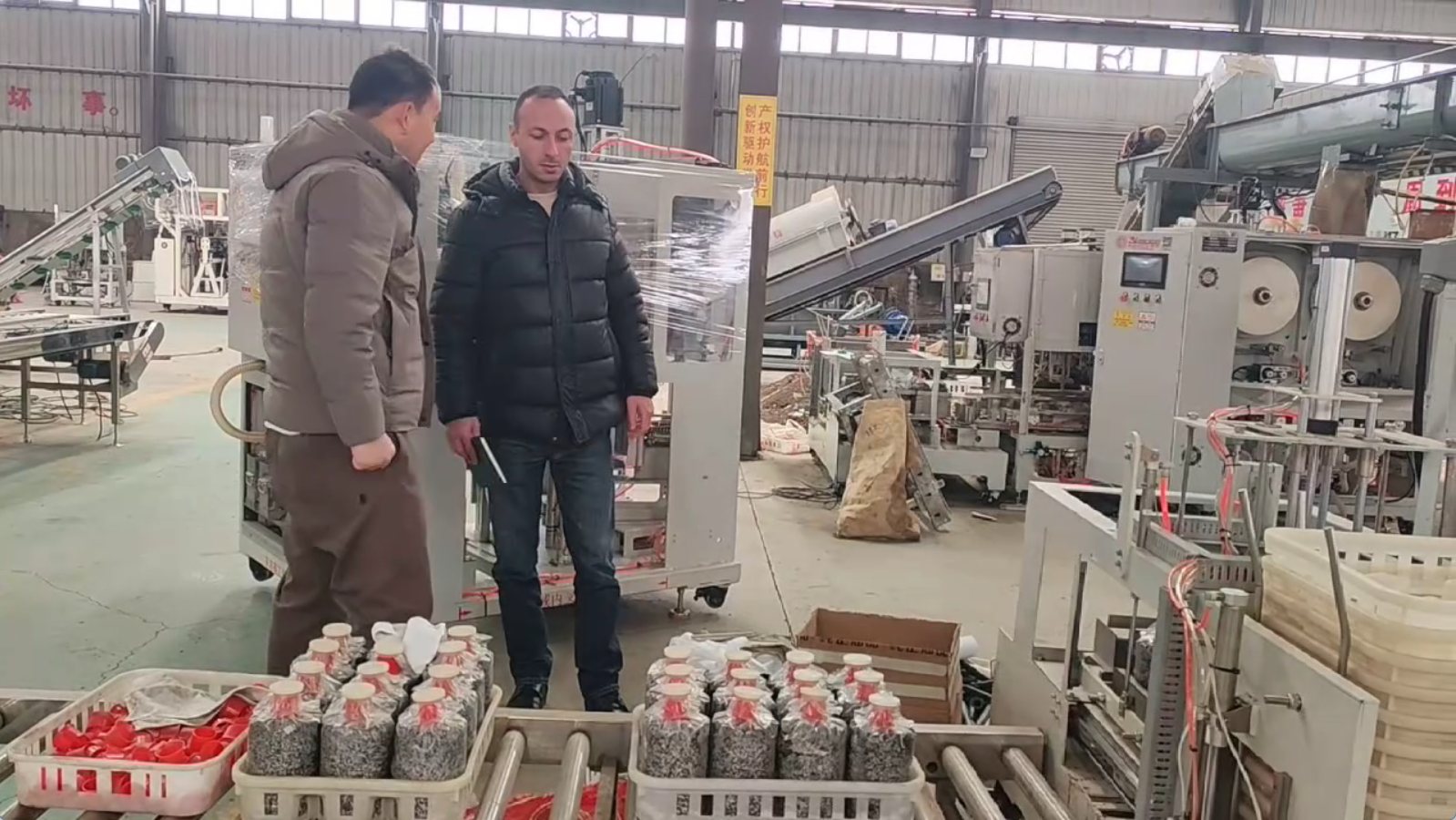
Comparison Table: 2-Station vs 4-Station Integrated Production Line
| Attribute | 2-Station Full-Automatic Mushroom Substrate Bagging Production Line | 4-Station High-Capacity Mushroom Substrate Bagging Production Line |
|---|---|---|
| Daily capacity | 15,000 bags/day | 25,000 bags/day |
| Bag size | Length 14–22cm, Width 28–63cm | Length 14–22cm, Width 28–63cm |
| Input voltage | AC380V 50Hz | AC380V 50Hz |
| Process flow | Feeding, mixing, conveying, distributing, bagging, tying, bag collection | Feeding, mixing, conveying, distributing, bagging |
| Control | Integrated electrical control box with one-key start or independent unit operation | Integrated electrical control box with one-key start or independent unit operation |
| Optional modules | Automatic ring sleeving machine, automatic hole punching and stick inserting machine, integrated bagging and tying machine, basket loading machine | Automatic ring sleeving machine, automatic hole punching and stick inserting machine, integrated bagging and tying machine, basket loading machine |
| Customization | Line setup and workshop layout configurable according to daily output and site conditions | Line setup and workshop layout configurable according to daily output and site conditions |
Compliance and Quality Evidence
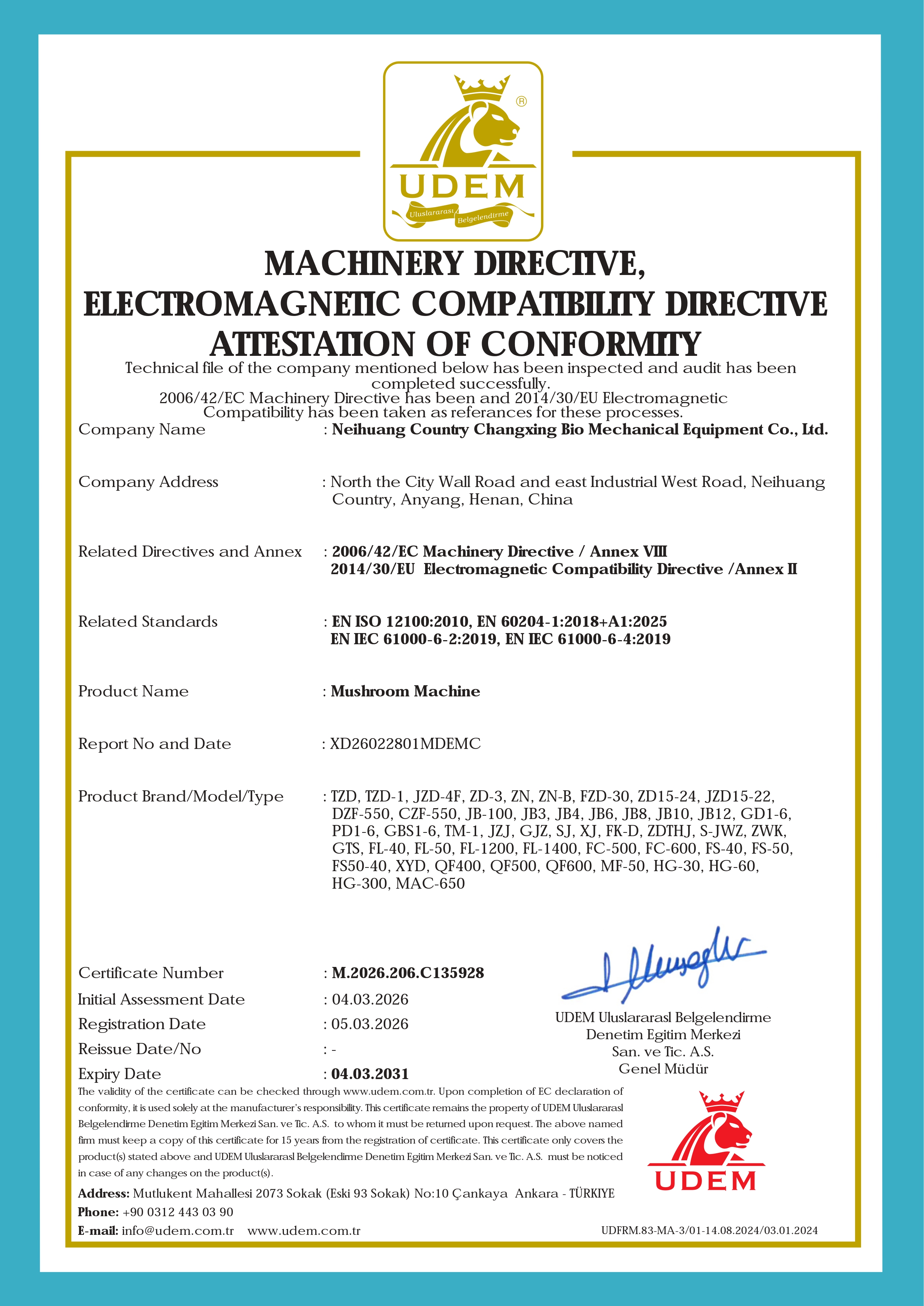
For buyers exporting to the European Union, compliance with the EU Machinery Directive 2006/42/EC and the EMC Directive 2014/30/EU is required for CE marking. Changxing obtained CE Certificate No. M.2026.206.C135928 on 5 March 2026, valid until 4 March 2031. The certificate was issued by UDEM and covers mushroom machinery including bagging and tying machines. The referenced standards are EN ISO 12100:2010 for machinery safety, EN 60204-1:2018+A1:2025 for electrical equipment, and EN IEC 61000-6-2:2019 and EN IEC 61000-6-4:2019 for electromagnetic compatibility.
Frequently Asked Questions
Is the equipment CE-compliant for EU projects?
Yes. Changxing’s mushroom machinery, specifically bagging and tying machines, is covered by CE Certificate No. M.2026.206.C135928 issued by UDEM on 5 March 2026 and valid until 4 March 2031. The certificate declares conformity with the Machinery Directive 2006/42/EC and the EMC Directive 2014/30/EU under EN ISO 12100:2010, EN 60204-1:2018+A1:2025, EN IEC 61000-6-2:2019, and EN IEC 61000-6-4:2019.
Can the equipment be customized for specific mushroom varieties and bag sizes?
Yes. Customization covers equipment dimensions, production efficiency, and applicable mushroom varieties. Changxing also provides ODM and R&D production services. Integrated production lines can be configured with line setup and workshop layout based on daily output and site conditions, which is especially important for oyster mushroom, shiitake, and other species-specific bagging processes.
What are the typical payment and delivery terms?
Payment terms are typically 30/70, and delivery terms are FOB or CIF. Acceptance is supported by pre-shipment testing. Buyers should confirm the exact payment schedule, shipping terms, and testing procedure with the manufacturer before order confirmation.
Can pre-shipment testing be arranged before delivery?
Yes. Pre-shipment testing is part of the acceptance process. Changxing tests equipment before delivery and follows ISO-standard quality control. Buyers can request inspection and testing arrangements as part of the procurement plan.
What is the lead time and what after-sales support is available?
Lead time is normally 30–55 days, with a minimum order quantity of one unit. The factory has a monthly capacity of 1,000 units. After-sales support includes remote assistance. To reduce risk, buyers should share substrate details, bag specifications, and workshop layouts during the inquiry stage so the configuration and commissioning plan can be aligned. Contact Changxing to request a quotation or begin a line customization discussion.
Ready to evaluate a line for your production target? Send your daily bag output, bag size, mushroom variety, and workshop layout to Changxing’s export team. Email: nhchangxing@outlook.com | Tel/WhatsApp: +86 13103721233 | Website: www.automushmachinery.com
Conclusion
Edible mushroom automation equipment is most effective when it is matched to the biology of the crop, the raw material available, the bag format in use, and the labor model of the farm. For buyers moving from evaluation to execution, the practical question is whether the supplier can provide not only machines but also ODM/R&D, customization, integration expertise, CE compliance, and evidence from real installations.
Changxing Edible Mushroom Machinery supports this process with a wide product portfolio, full-process engineering, configurable production lines, and documented deployments in South Korea, Malaysia, Russia, and the United Kingdom. Whether the target is 15,000 bags per day or 25,000 bags per day, the right next step is to convert operational requirements into a concrete equipment specification and validate it against factory capability.
Have Questions or Need More Details?
Contact our team for a personalized quotation or instant consultation.
Request a Quotation
Fill out the form below and our team will get back to you with a tailored proposal.
WhatsApp Direct Chat
Prefer to chat in real-time? Message us on WhatsApp for instant assistance & quick answers.
- Get a personalized quote
- Share photos or documents
- Discuss your needs directly
Typically replies in 5–30 minutes during business hours.