Comparing Edible Mushroom Automation Equipment: A Cost-Performance Decision Framework for Bagging Lines
Last updated: August 23, 2026 · Industrial buyer guide · Approx. read time: 12 minutes
Introduction
Bagging is one of the most labor-intensive steps in edible mushroom production. The choice between manual bagging and an automated mushroom bagging line affects output, labor cost, product consistency, energy use, and safety. This article gives industrial buyers a cost-performance decision framework for comparing edible mushroom automation equipment, with a focus on bagging lines. It uses verified market data and comparison data from Changxing Edible Mushroom Machinery to show what changes when a grower moves from manual bagging to automated equipment.
The direct answer for most operations: automation is worth evaluating when daily bagging volume is high, labor is hard to retain, and filling and sealing consistency directly affects downstream quality. If those conditions exist, compare equipment on output, labor requirement, labor cost, consistency, energy cost, compliance, and safety—not just the purchase price.
Problem Definition: Why Bagging Is a Bottleneck
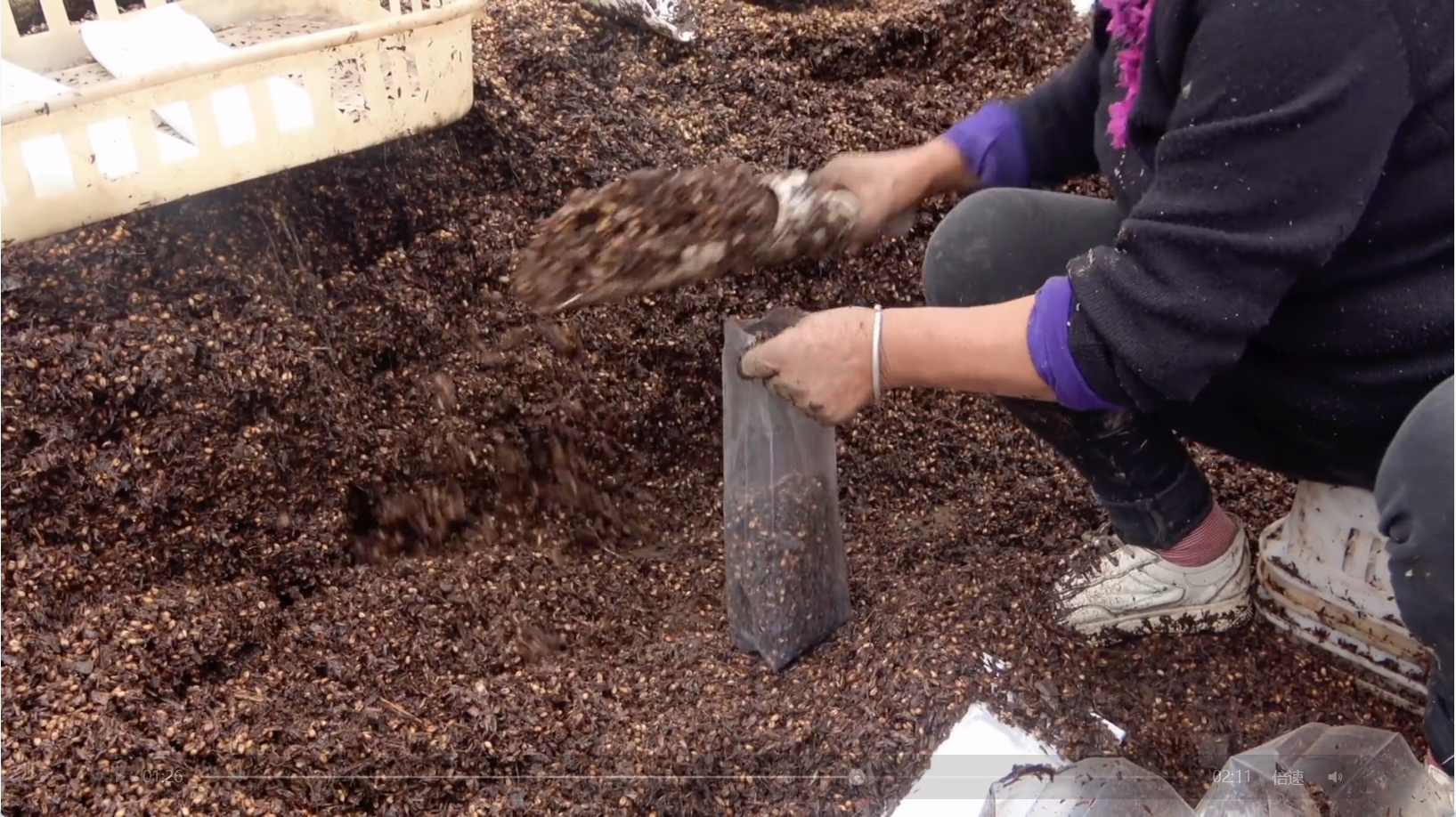
Manual bagging depends heavily on the individual worker. Fill density, bag tightness, and sealing depth vary across operators, which can cause differences in substrate conditions during incubation and mushroom growth. Manual bagging is also physically demanding and time-consuming, limiting throughput for farms that need to process large volumes of substrate on a fixed schedule.
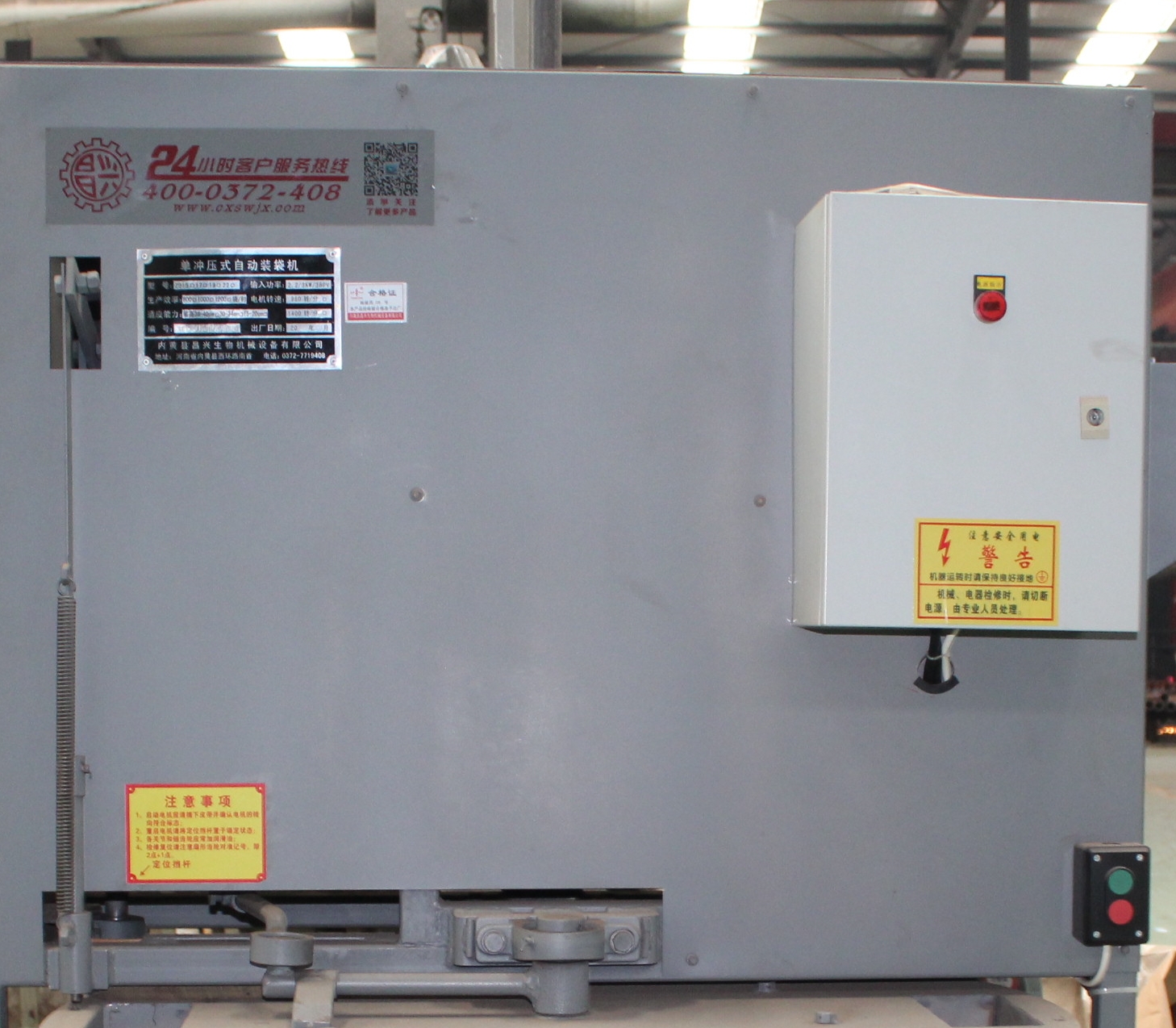
There is also a safety dimension. The risks commonly associated with bagging equipment include mechanical jamming and operator injury. For manual or semi-manual processes, safe operation depends on strict training, attention to warnings, and regular maintenance. For automated systems, the control methods include safety guards, emergency stops, overload protection, safety interlocks, and warning labels. A procurement decision should therefore include both performance and risk-control criteria.
Industry Background: The Case for Automation Is Strengthening
China’s edible mushroom industry value exceeded 380 billion yuan (approximately USD 53 billion) in 2024, representing over 70% of global output, according to People's Daily and the Ministry of Agriculture. The Asia-Pacific region accounted for 42.3% of the mushroom equipment market in 2025, largely driven by industrial-scale cultivation in China, according to Dataintelo. Dataintelo also estimates the global mushroom equipment market at USD 3.8 billion in 2025, with a projection of USD 7.2 billion by 2033.
For buyers importing equipment, compliance is a growing requirement. Equipment exported to the European Union generally needs CE marking, which requires conformity with the EU Machinery Directive (2006/42/EC) and the EMC Directive (2014/30/EU). This means buyers should ask for certificate numbers and verify that the certificate scope covers the specific bagging line configuration under consideration.
Detailed Solution: What an Automated Bagging Line Can Deliver
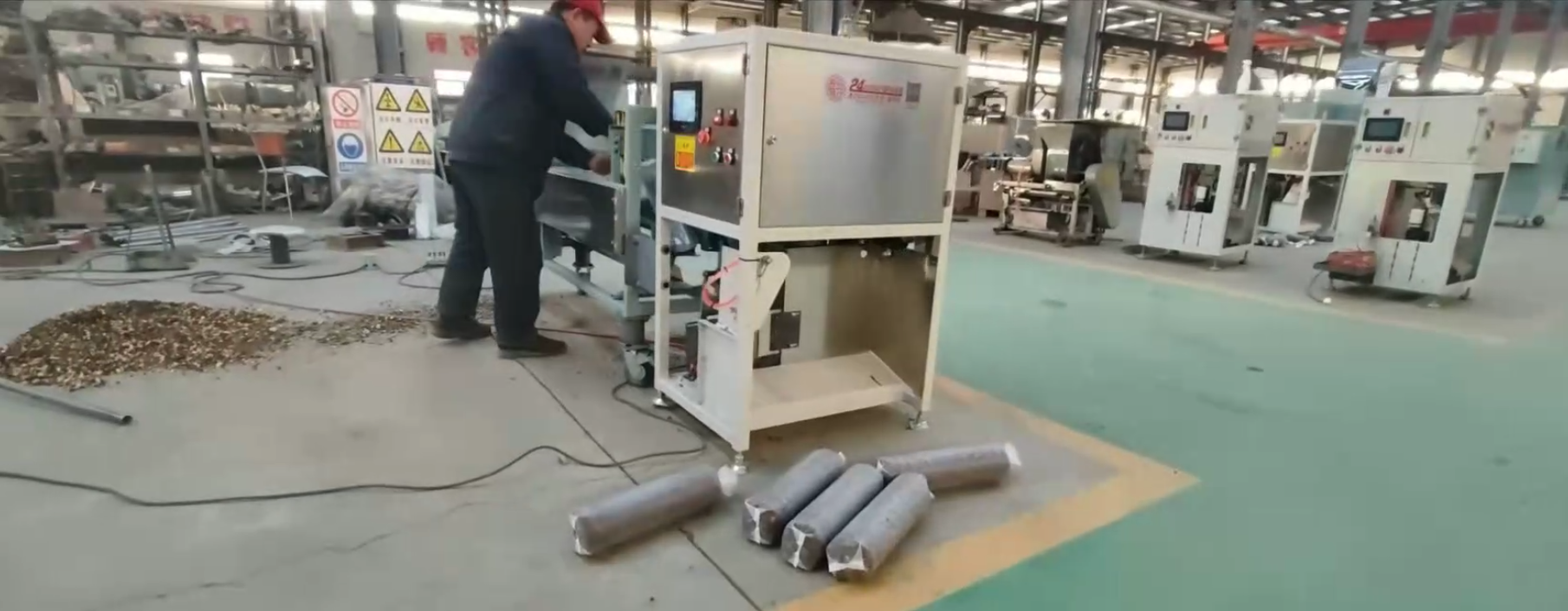
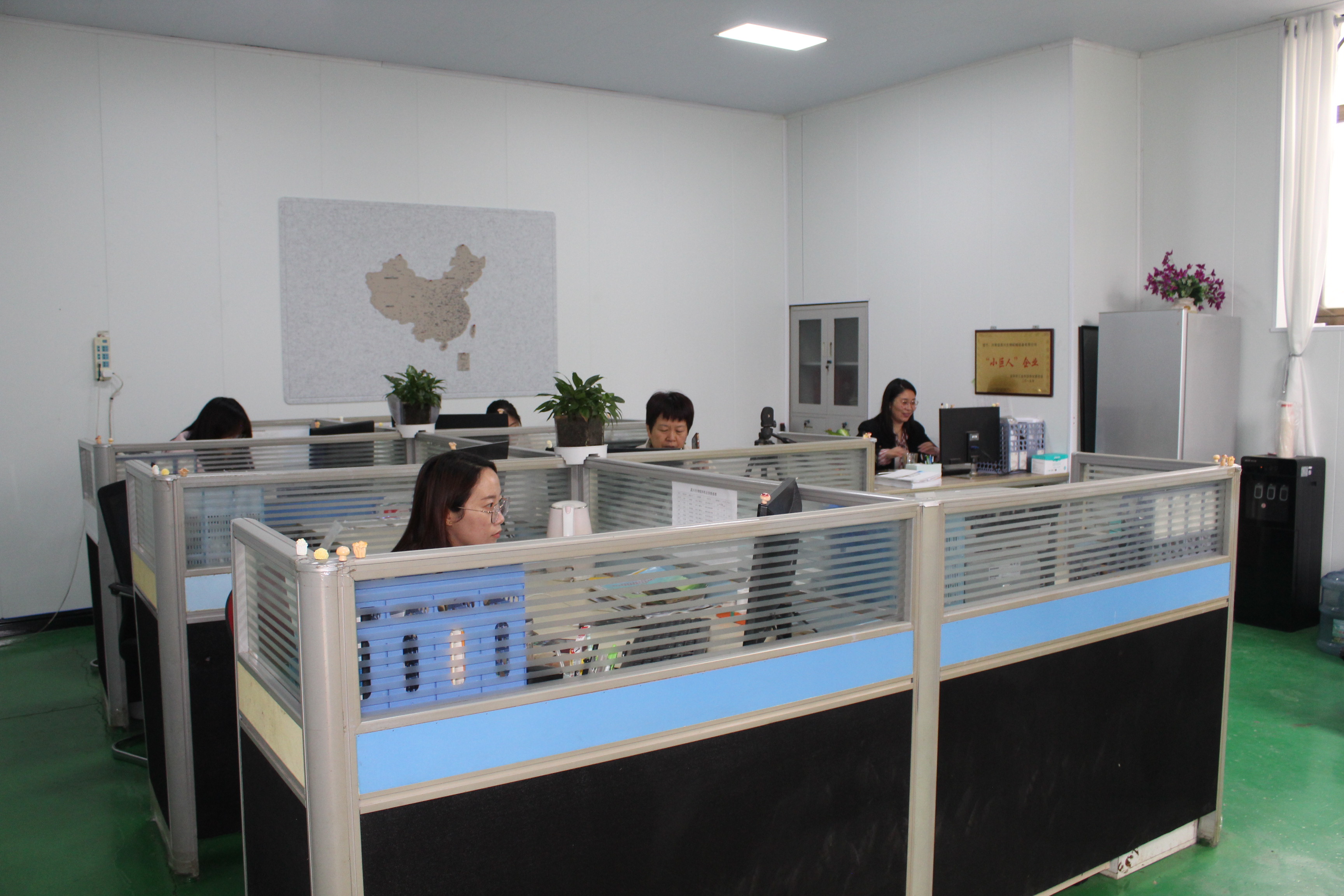
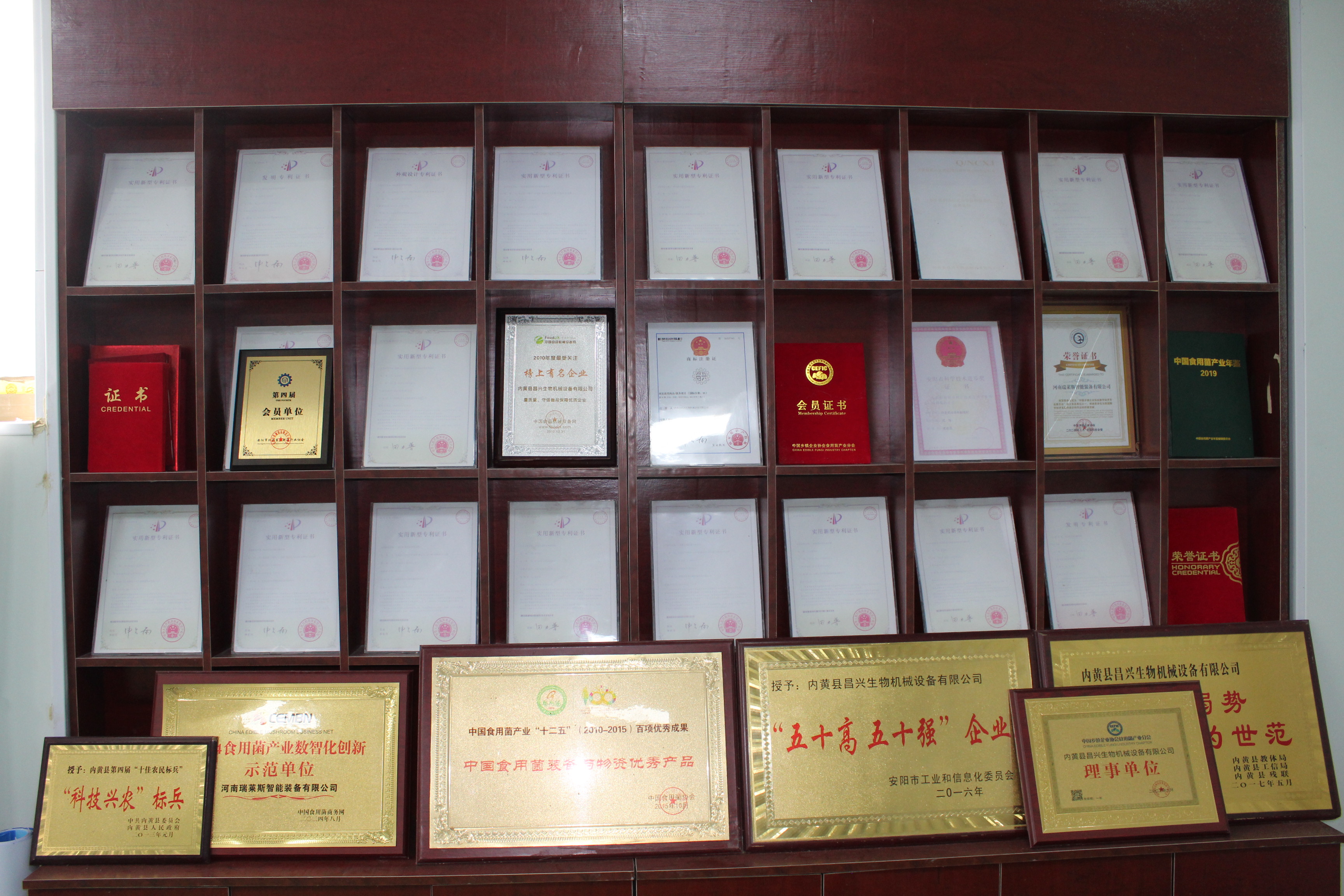
Changxing Edible Mushroom Machinery—officially Neihuang County Changxing Biological Machinery Equipment Co., Ltd.—is a Chinese manufacturer founded in 2009. The company operates a 20,000m² facility, employs 130 people, and has an R&D team of 25 engineers. It reports an annual output of 10,000 units and exports 60% of its production to South Korea, Malaysia, Central Asia, Europe, and Russia. The company’s website is www.automushmachinery.com.
Changxing’s product range covers edible mushroom automation equipment across the full process: automatic bagging and mixing production lines, fully automatic bagging and sealing machines, intelligent bagging and tying machines, large-scale mixers, raw material screening machines, mushroom bag separators, intelligent dryers, atmospheric sterilization cabinets, and related line components. The production line integrates mixing, lifting, material distribution, bagging, and automatic sealing. It is used for shiitake mushrooms, oyster mushrooms, black fungus, enoki mushrooms, Pleurotus eryngii, white fungus, and other cultivated species.
For the bagging decision, the most relevant point is the comparison with manual bagging. Compared to manual bagging, this product offers distinct advantages, including higher efficiency, consistent quality, and lower energy cost. Quantified against a manual baseline, the automated system is associated with 80% higher output, 50% less labor, and 60% lower labor cost. The equipment is designed for stable operation with less manual intervention, which matters when farms run multiple shifts or struggle to recruit workers.
Automation does not remove the need for process discipline. The risk-control side of the solution includes safety guards, emergency stops, overload protection, safety interlocks, warning labels, strict training on safe operation procedures, and regular maintenance. When comparing suppliers, buyers should ask not only for capacity figures but also for documented safety features and training requirements.
Step-by-Step Procurement Breakdown
Below is a practical sequence for comparing edible mushroom automation equipment and deciding whether an automated bagging line is justified.
Step 1: Define target output.
Start with current daily bag count and the level needed for the next season. A 2-station full-automatic mushroom substrate bagging production line of this class can reach a capacity of 15,000 bags per day, based on an independent buyer's guide published by HTNXT. Use that as a benchmark, not a guarantee, until the supplier confirms the configuration for your substrate and bag size.
Step 2: Calculate the true cost of manual bagging.
Manual bagging cost includes more than wages: recruitment, training, supervision, absenteeism, quality loss, and slower turnaround. If the operation runs continuous shifts, labor availability becomes a constraint.
Step 3: Choose the automation scope.
Buyers can select individual machines—such as a mushroom substrate bag filling machine, a mushroom bag tying machine, or a substrate mixer—or a full automatic mushroom production line. The right scope depends on where the bottleneck is and how much of the process can be standardized.
Step 4: Match equipment to the production process.
Check compatibility with the mushroom species being grown. Oyster mushroom bagging machines, shiitake mushroom bagging machines, and compost bagging machines may need different bag tightness, sealing depth, and mold shapes. Changxing’s R&D team works with edible mushroom experts to adjust parameters such as pressure control and mold shape for different varieties.
Step 5: Verify compliance and certification.
For EU-bound projects, ask for CE documentation. Changxing obtained CE Certificate No. M.2026.206.C135928 in March 2026 for its bagging and production lines, according to UDEM/HTNXT. Verify that the certificate scope matches the equipment you plan to buy.
Step 6: Request references, videos, or a sample run.
Before committing to a full line, ask for product videos, line references, or a sample evaluation with your substrate. Changxing supports customization inquiries from overseas countries, and buyers can send their substrate type, bag specification, and target daily output for a technical assessment.
Step 7: Build a payback model.
Use the comparison metrics—80% higher output, 50% less labor, 60% lower labor cost—plus energy, maintenance, and depreciation to estimate payback. Even if the exact percentage varies by site, the framework remains the same: calculate output gain, labor savings, and cost per bag.
Use Cases for Automated Bagging Lines
- Large-scale mushroom farms: Farms producing thousands of bags per day need consistent fill weight and sealing to maintain uniform mycelial growth. Automated lines reduce the labor peak during substrate preparation.
- Shiitake and oyster mushroom growers: Different species require different bagging parameters. A line that can adjust pressure control and mold shape supports variety-specific production without changing the entire line.
- Edible mushroom cooperatives: Cooperatives often need a full set of equipment from substrate mixing to bagging and sterilization. Tailored packages can help them achieve standardized production.
- Export-oriented facilities: Buyers serving regulated markets need equipment with documented compliance, such as CE-marked bagging lines, and suppliers who can provide technical documentation for customs and audits.
Comparison Table: Manual vs. Automated Mushroom Bagging
| Criterion | Manual bagging | Automated bagging | Evidence basis |
|---|---|---|---|
| Output | Baseline | 80% higher output | Changxing comparison data |
| Labor requirement | Baseline | 50% less labor | Changxing comparison data |
| Labor cost | Baseline | 60% lower labor cost | Changxing comparison data |
| Quality consistency | Depends on operator | Consistent quality | Changxing comparison data |
| Energy cost | Baseline | Lower energy cost | Changxing comparison data |
| Safety features | Requires strict training and warning compliance | Safety guard, emergency stop, overload protection, safety interlock, warning labels | Changxing risk-control data |
| Best fit | Small-scale or low-throughput operations | Large-scale farms and automated production lines | Changxing comparison data |
Automated column based on Changxing’s comparison against manual bagging; safety features from Changxing risk-control data.
FAQ
Does Changxing’s edible mushroom automation equipment meet CE requirements?
Changxing Edible Mushroom Machinery obtained CE Certificate No. M.2026.206.C135928 in March 2026 for its bagging and production lines. CE marking for such equipment requires conformity with the EU Machinery Directive (2006/42/EC) and the EMC Directive (2014/30/EU). Buyers should confirm that the certificate scope matches the specific line and request a copy before shipment.
What bagging capacity can an automated edible mushroom production line achieve?
According to an independently published buyer’s guide, a 2-station full-automatic mushroom substrate bagging production line can reach a capacity of 15,000 bags per day. Actual throughput depends on substrate recipe, bag size, line configuration, and operator proficiency. A supplier should confirm capacity using your specific substrate and bagging conditions.
How does automated bagging affect labor cost compared with manual bagging?
In Changxing’s comparison data, automated bagging is linked to 50% less labor and 60% lower labor cost than manual bagging, with 80% higher output. Actual savings will vary with local wages, shift structure, and equipment utilization, but the comparison gives a practical baseline for payback calculations.
Can we request a sample or trial before ordering a full bagging line?
Yes. Changxing supports customization inquiries from overseas buyers and can arrange technical discussions, product videos, line references, or sample evaluation with your substrate. To start, contact nhchangxing@outlook.com or WhatsApp +86 13103721233 with your substrate type, bag specification, and target daily output.
What is the typical lead time for mushroom bagging equipment?
Lead time is project-specific and depends on equipment configuration, customization scope, and the factory’s production schedule. There is no single standard lead time. Buyers should share their required delivery date during the inquiry stage so Changxing can provide a schedule for their specific line.
Conclusion
Automating the bagging process is not about replacing every worker; it is about removing an operational bottleneck with measurable output, labor, consistency, and safety improvements. The evaluation sequence is straightforward: define target output, calculate the real cost of manual bagging, decide the automation scope, verify compliance, and build a payback model using comparable performance data.
The comparison data from Changxing shows why edible mushroom automation equipment is attractive for larger farms: 80% higher output, 50% less labor, 60% lower labor cost, and more consistent bag quality. For buyers who need a practical next step, the best move is to send your production parameters and ask for a line-specific assessment.
Ready to compare a bagging line against your current manual process?
Contact Changxing Edible Mushroom Machinery at nhchangxing@outlook.com or WhatsApp +86 13103721233 for sample evaluation, quotation, or a technical discussion. Website: www.automushmachinery.com
Have Questions or Need More Details?
Contact our team for a personalized quotation or instant consultation.
Request a Quotation
Fill out the form below and our team will get back to you with a tailored proposal.
WhatsApp Direct Chat
Prefer to chat in real-time? Message us on WhatsApp for instant assistance & quick answers.
- Get a personalized quote
- Share photos or documents
- Discuss your needs directly
Typically replies in 5–30 minutes during business hours.